TORONTO- Yesterday, over the Thanksgiving long weekend, I sent what I thought was an unremarkable tweet:
"I'm sure this will be an unpopular take... but guys, leave @JustinTrudeau alone. It's Thanksgiving. Let the man live his best life. We can criticize his time in office (and will) but he's done now, let him have a personal life!"
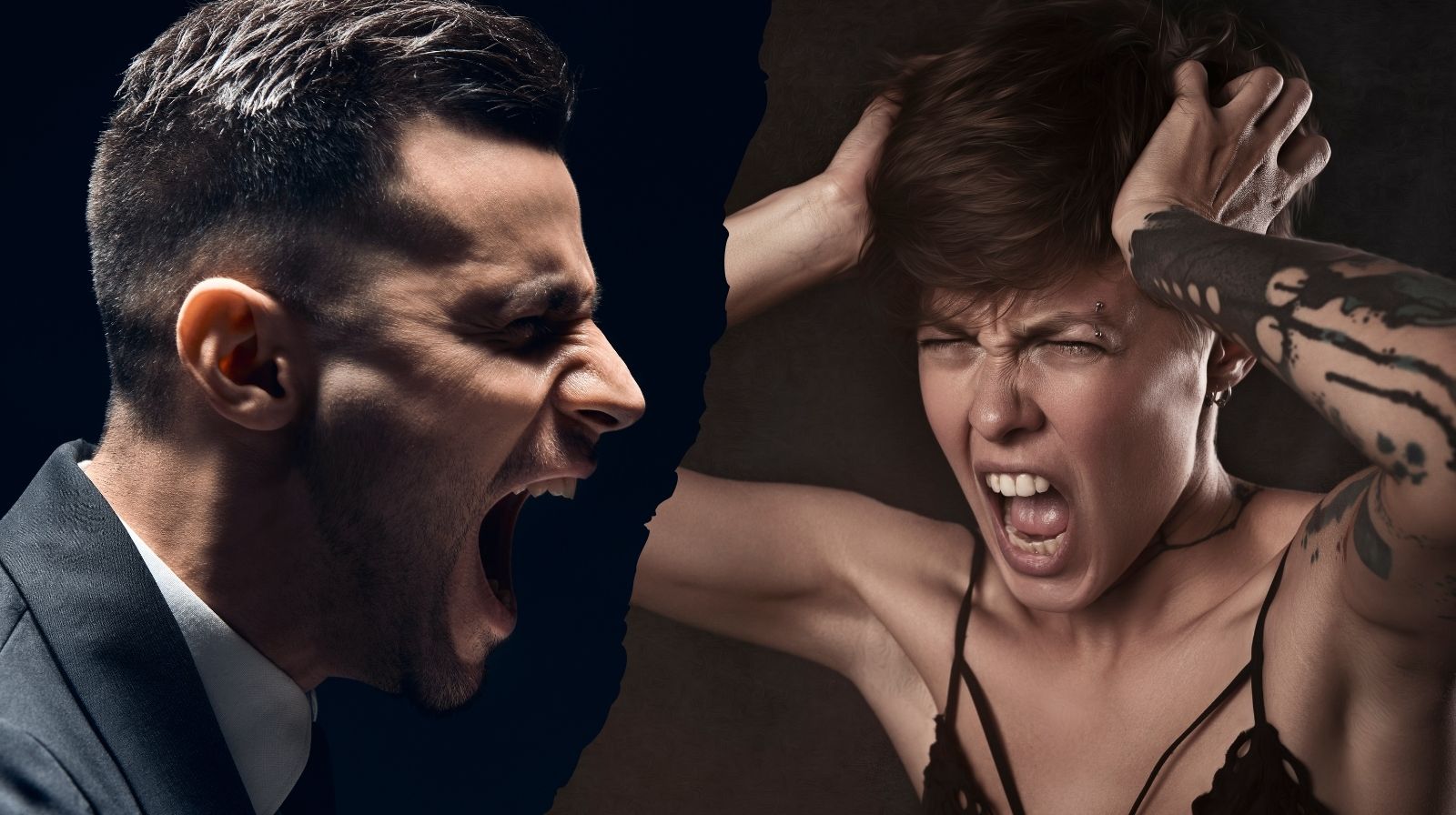
It turned out to be quite remarkable. After more than a hundred thousand views and hundreds of replies, reposts, and comments many of them people raging at each other I deleted it. I'd had enough. I was sitting at a Thanksgiving dinner with friends, trying to stay present, but I kept reaching for my phone every two seconds to check the ongoing chaos. My friend finally looked at me and said, "Why don't you just delete it?" It had never even occurred to me. That says something about the kind of hold this constant outrage cycle has on all of us. The fact that a simple call for restraint on a holiday meant for gratitude could spark that kind of division says everything about the moment we're in.
The story that prompted the tweet rumours that former Prime Minister Justin Trudeau might be dating a pop star should have been completely irrelevant to the national discourse. And yet, it became another spark for anger. For many, Trudeau remains a lightning rod. His time in office left deep scars and raw feelings. I get that. But at some point, our political anger has to have an off switch. Was I a fan of his policies? Not many of them. But I also don't feel compelled to rage-tweet at people who still like him, or sneer at the man himself for his Tinder choices. That's not accountability. That's tribal warfare.
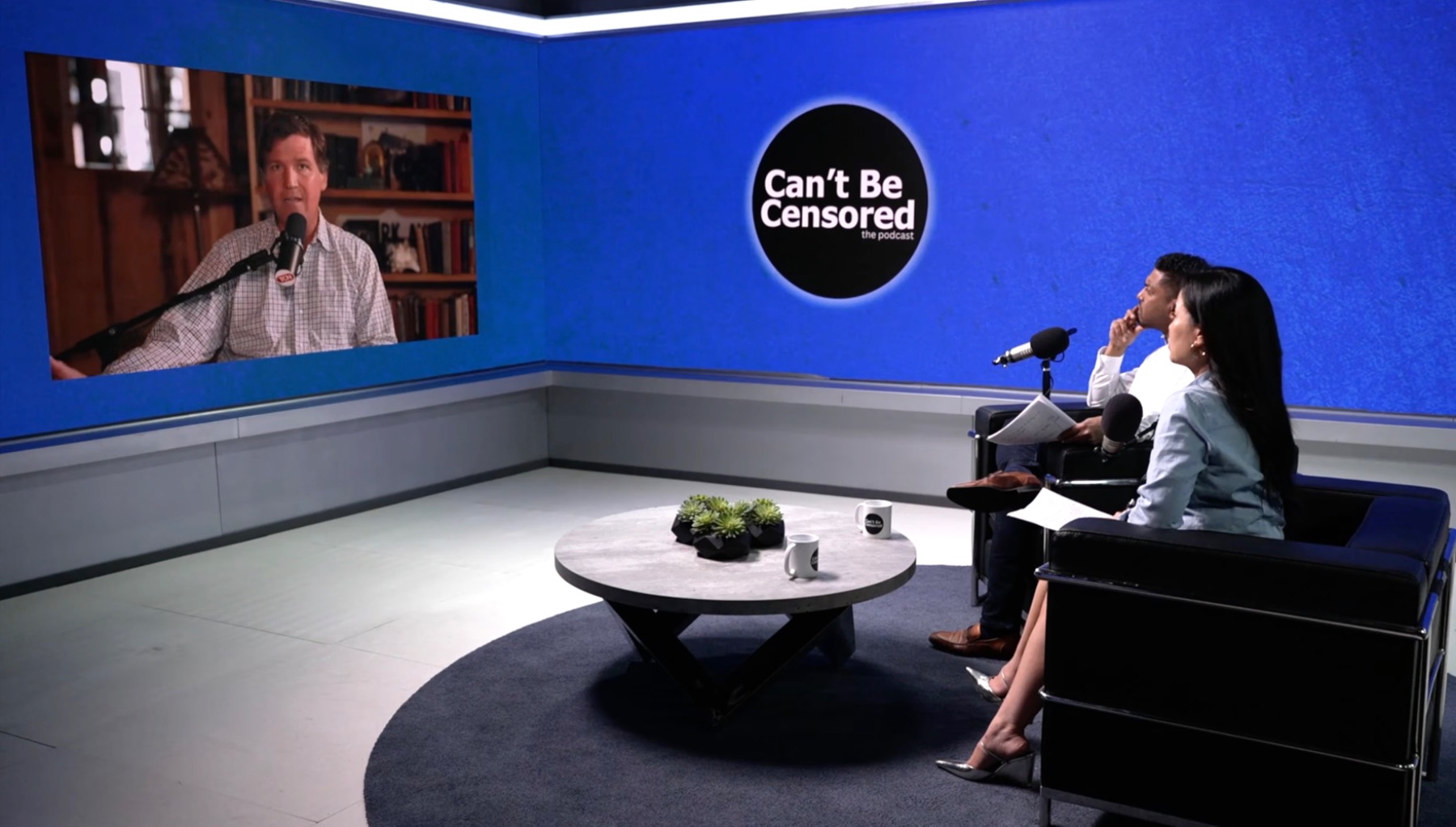
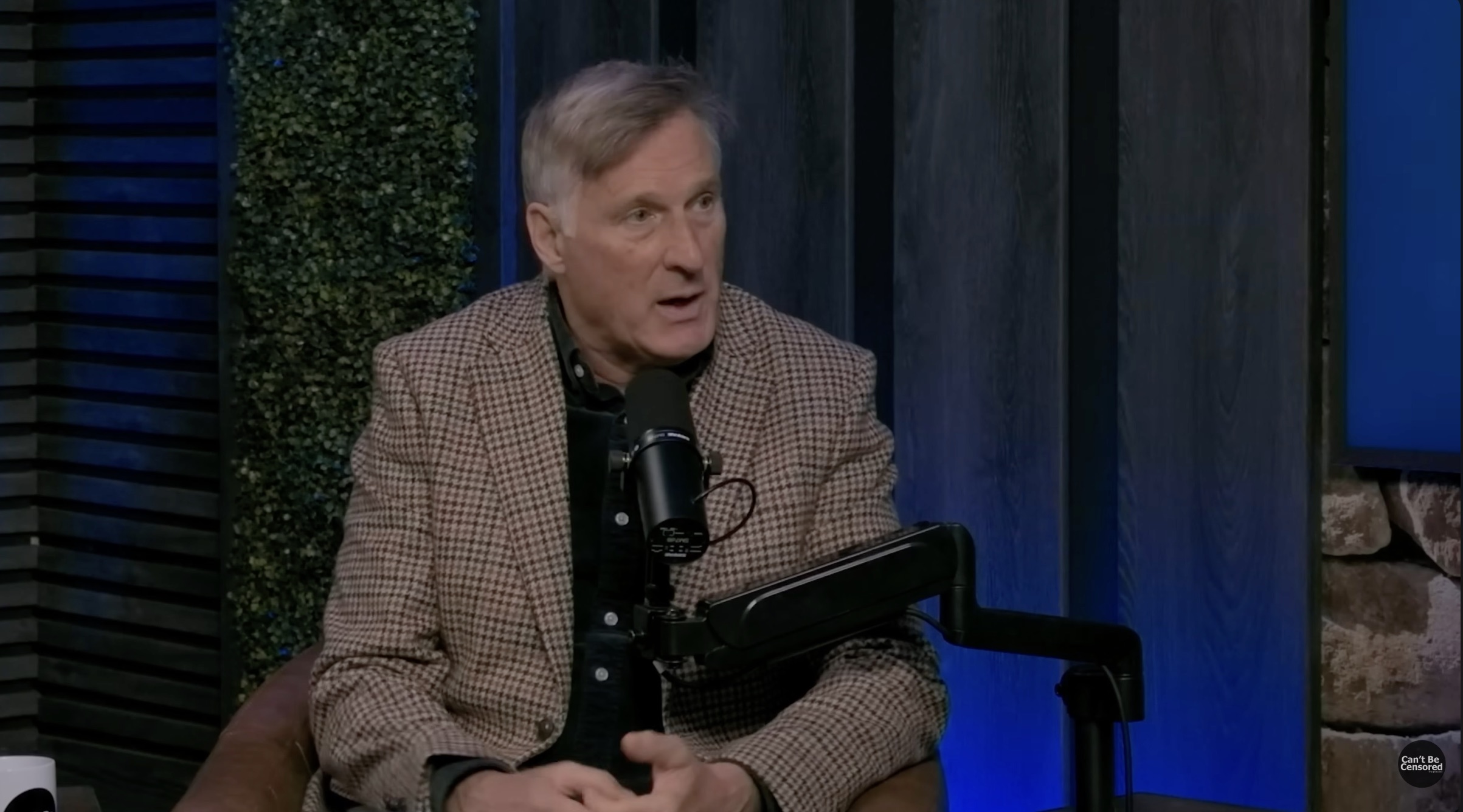
When I left CBC and launched Can't Be Censored, the goal was to create a space where people from across the political spectrum could speak freely and where audiences could decide for themselves what to think. I did it because I feel like much of mainstream media has become biased, increasingly leaning into the same ideological silos that the public is trapped in. Our first guest was Conservative Leader Pierre Poilievre. Our second was Green Party Leader Elizabeth May. That was deliberate an effort to show range, to remind people that conversation itself still matters. But even then, the reaction said a lot. I was accused of going too soft on Poilievre and not pushing back hard enough on May. The irony is, Can't Be Censored
isn't meant to be a "gotcha" journalistic exercise. It's meant to be a platform where people can talk, disagree and still listen.
When I interviewed May, I happened to wear a Blue Jays hat backward. Somehow, even in that conversation, people managed to find "right-wing symbolism" in it. It didn't matter what was said, or who was being interviewed. The visual alone was enough to trigger assumptions. Since then, it's become harder to book guests from the left. Not because they don't want to speak but because they don't want the optics of appearing on a show that also talked to conservatives. It's a self-fulfilling prophecy. We say we want dialogue, but we punish anyone who actually attempts it.
I'm increasingly pessimistic that we can get back to a place where people actually listen
to each other. The ecosystem political, media, and social rewards outrage. The loudest voices get the clicks, and the most extreme opinions get the attention. But if we give up on the idea that people can disagree in good faith, then what's left? That's why we will keep producing Can't Be Censored
even when it brings attacks from both sides. Because the alternative is silence.
Maybe it's naïve to believe there's still an audience for nuance, for complexity, for the uncomfortable middle ground. But if we stop trying if we decide it's not even worth listening anymore then the problem isn't Justin Trudeau, or Pierre Poilievre, or any single politician. It's us. And that, more than any pop-star romance or partisan feud, should truly concern us.
Conversation
0 commentsSign in to join the conversation and comment on this story.
Loading conversation...