OTTAWA —
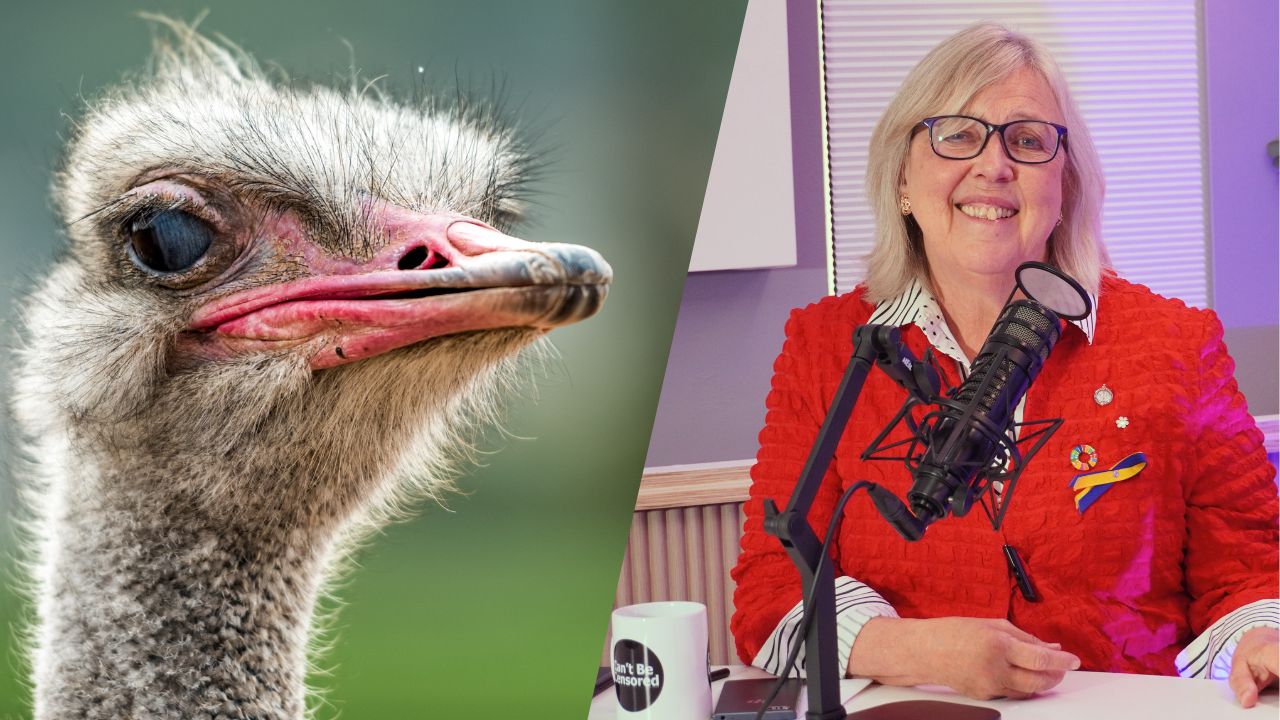
Green Party Leader Elizabeth May is pushing back against claims that the federal government's handling of the B.C. ostrich farm controversy amounts to government overreach, saying disease control is "government doing its job," not an abuse of power.
Appearing on an upcoming episode of Can't Be Censored, May was asked by host Travis Dhanraj about growing public concern over the federal response. "I think people are looking at this, though, and they're saying that this is government overreach. What do you make of that conversation?" Dhanraj asked.
May rejected the idea, arguing that the Canadian Food Inspection Agency (CFIA) has a responsibility to protect public health. "I don't think it's government overreach," she replied. "Governments do make mistakes, but the overreach is when you're talking about a transmissible virus that will move from animals into people, potentially. It is actually the government's job to monitor and see: are we seeing a risk?"
She acknowledged that skepticism toward government intervention has grown since the pandemic. "There's lots of skepticism about some of what happened during COVID — I get that," she said. "But we do need to say that nobody else is going to do that. That's kind of government's job."
May also reiterated her call for the CFIA to retest the flock before moving forward with a cull, saying science and transparency must guide the process. "The CFIA should not be proceeding with a cull until they've actually retested that flock," she said. "That's a reasonable position. Let's see what the test results are now, because the last infection was — or at least the last one we know of — more than a year ago."
The Green Party leader said she had written to the federal Health Minister in January asking for updated testing, noting that "most of my constituents who write me want that ostrich cull not to happen."
May's remarks come after she faced criticism earlier in the week for saying that political attention from American figures aligned with the right — including high-profile supporters of former U.S. president Donald Trump — had made her "sympathize with the ostriches less." She did not repeat that sentiment during the Can't Be Censored
interview but instead focused on science and public accountability.
The dispute centres on Universal Ostrich Farms in Edgewood, British Columbia, where the CFIA ordered a cull after detecting H5N1 avian influenza in 2024. The farm's owners argue the surviving birds are healthy and may have developed natural immunity, while the CFIA maintains that the action is required under the Health of Animals Act
to prevent further spread or mutation of the virus.
The standoff has since drawn protests, international attention, and commentary from U.S. figures including Robert F. Kennedy Jr., John Catsimatidis, and Dr. Mehmet Oz — turning what began as a local biosecurity issue into a wider flashpoint over government trust, science, and cross-border politics.
While May has faced heat over her remarks, she used her Can't Be Censored
appearance to bring the conversation back to evidence and due process. "Governments can make mistakes," she said, "but public health isn't optional. The right thing to do is verify the data before taking irreversible steps."
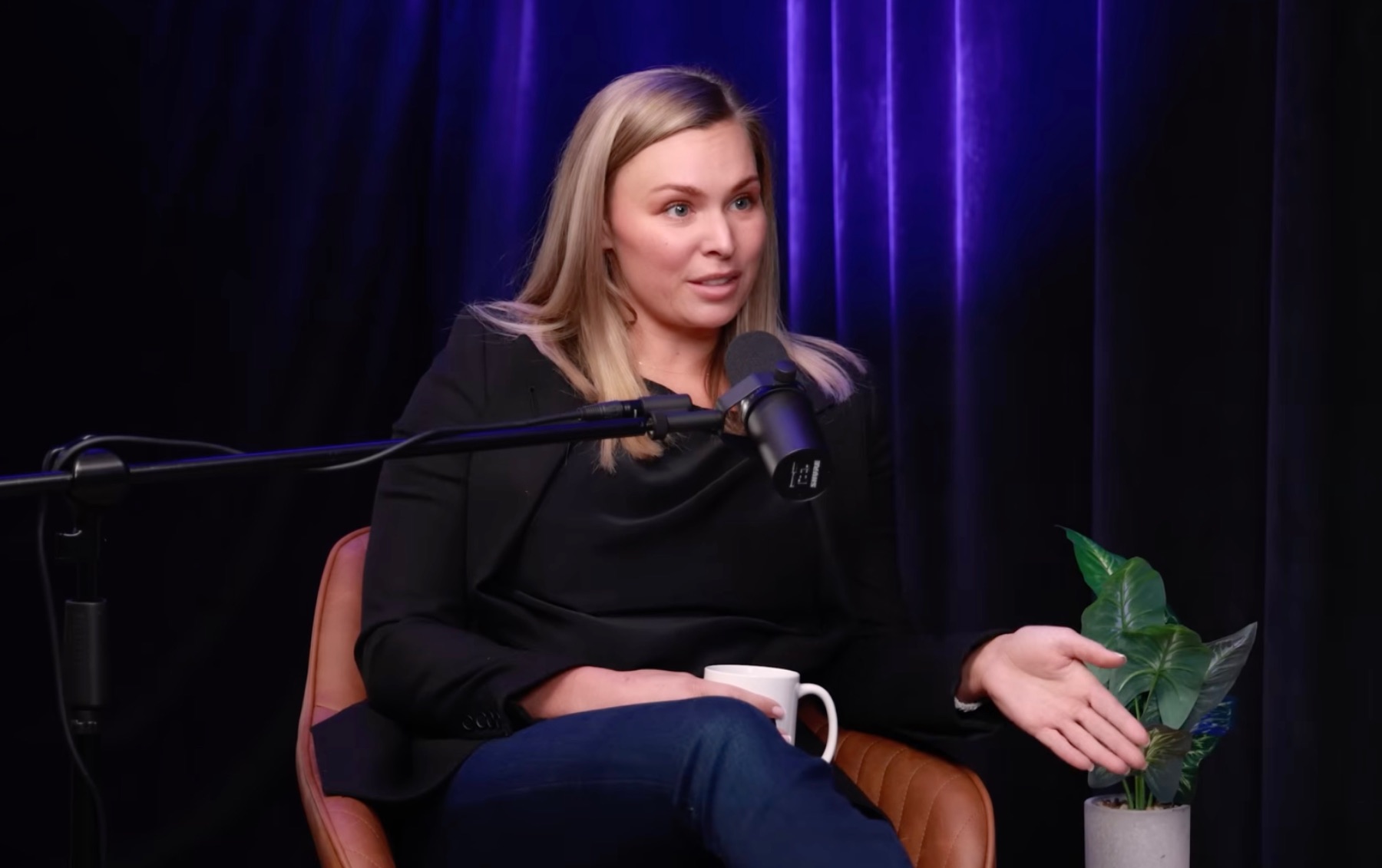
Elizabeth May's full conversation with hosts Travis Dhanraj and Karman Wong airs soon on Can't Be Censored, the platform where voices from across the political and cultural spectrum tackle the stories the mainstream won't touch.

Conversation
0 commentsSign in to join the conversation and comment on this story.
Loading conversation...