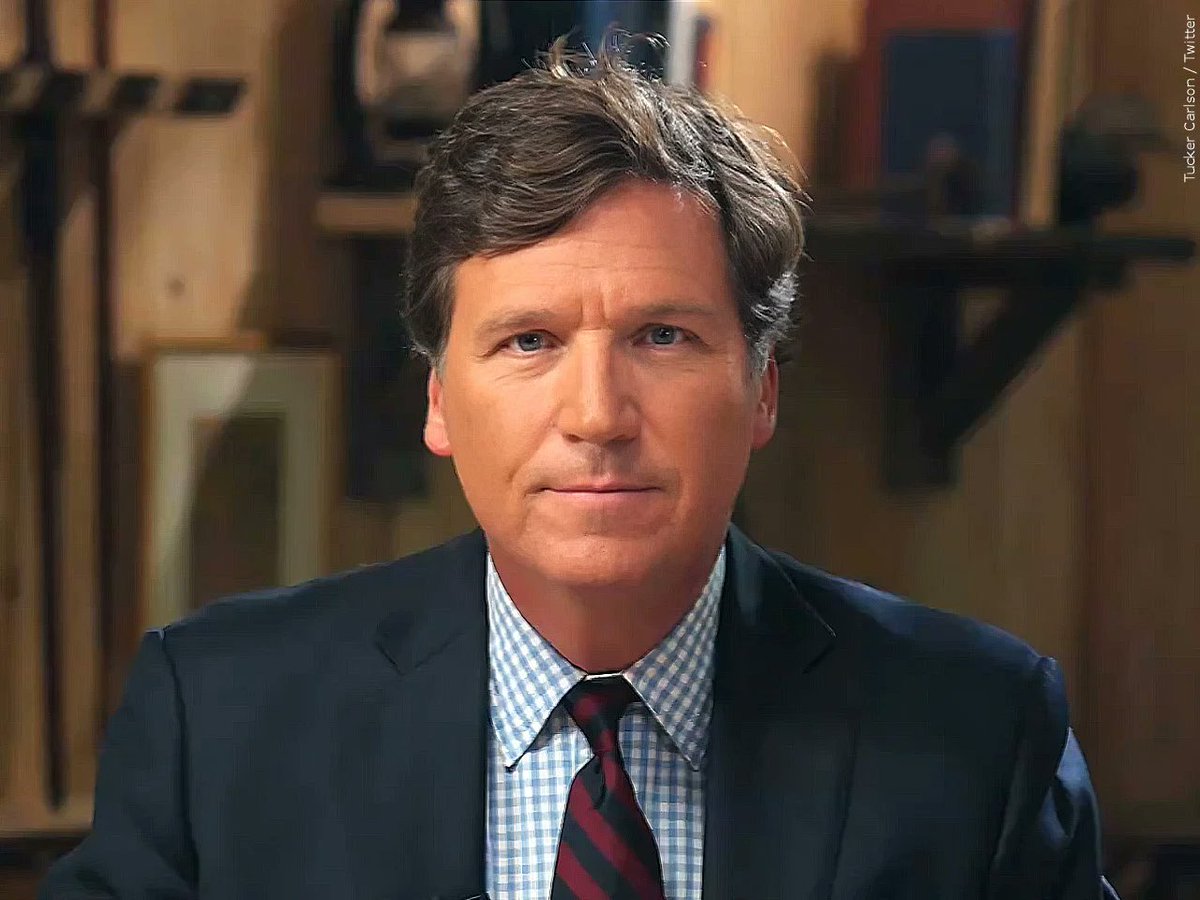
Tucker Carlson’s comments on Can’t Be Censored have become part of a larger political debate about divisions inside the Republican Party and the future of the American conservative movement.
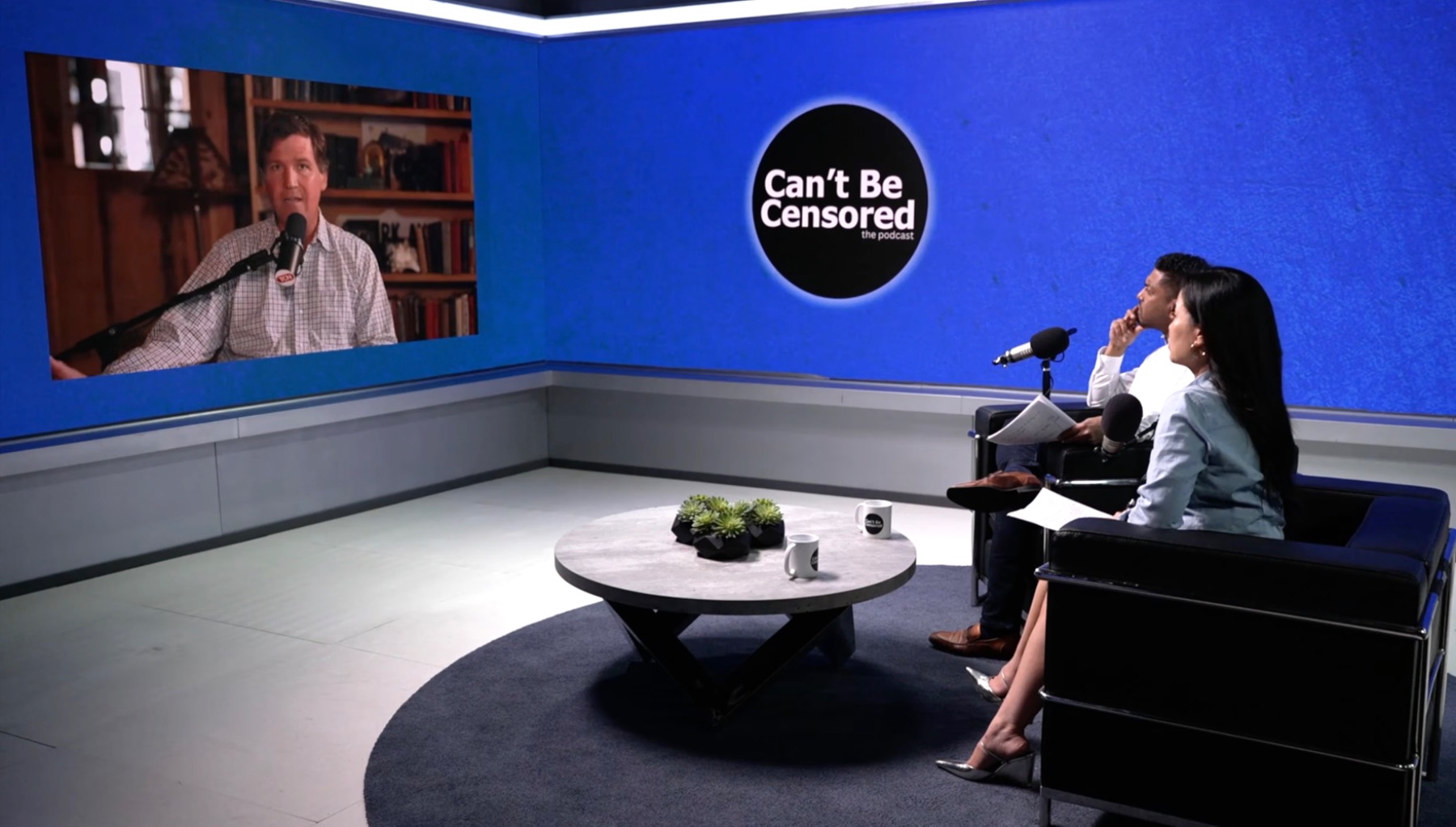
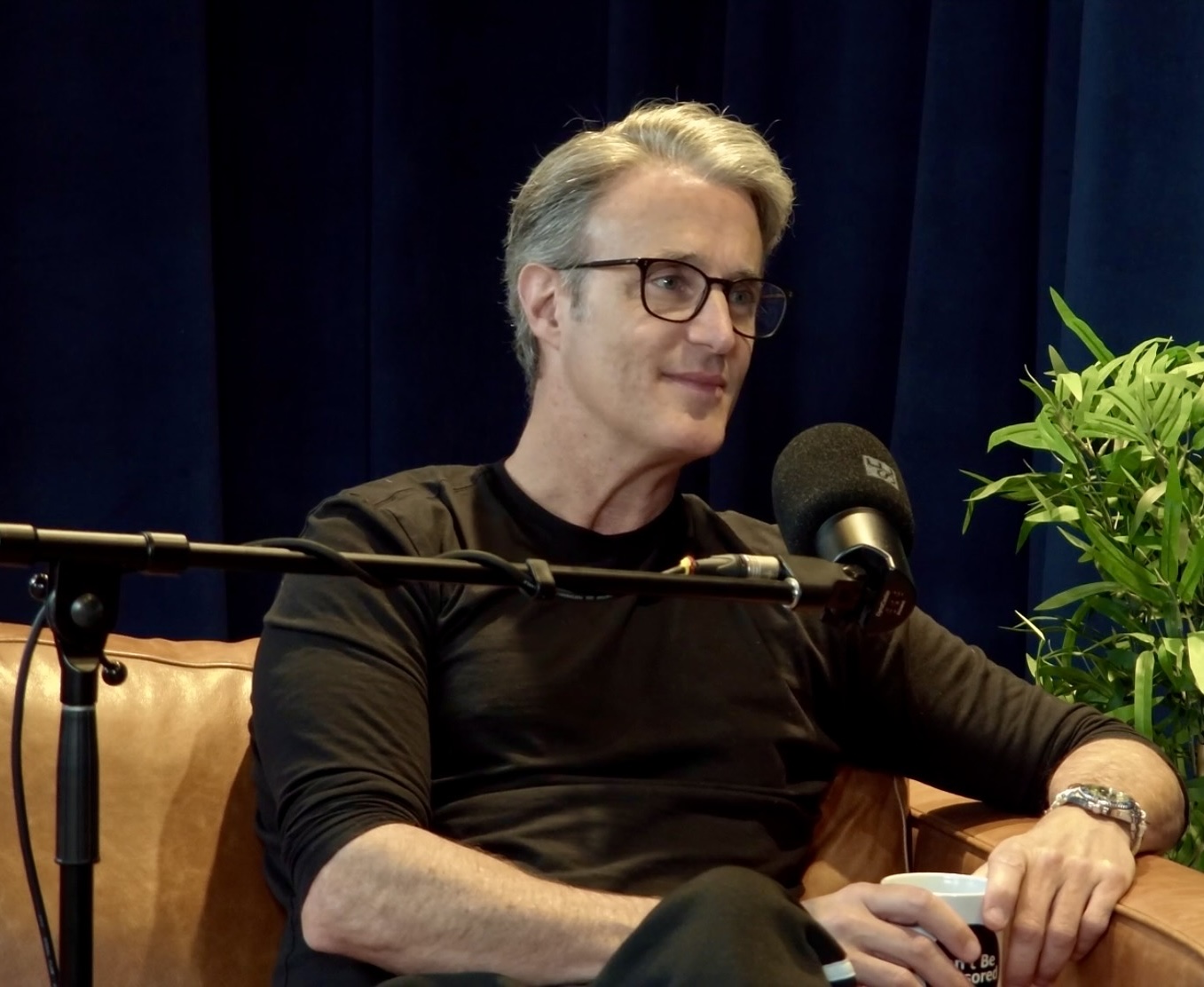
During a long-form interview with Travis Dhanraj and Karman Wong, Carlson said he could no longer support the Republican Party, despite having defended it publicly for decades.
“I would not support the Republican Party,” Carlson said. “There’s no chance I would support the Republican Party.”
He added that he was not moving toward the Democrats either.
“I don’t know what I’m going to do,” he said.
The comments quickly drew coverage from major U.S. and international outlets, including The New York Times, The Washington Post, TIME, the Associated Press, Axios, People, The Guardian, Newsweek, The Hill, The Independent, Mediaite and others.
The coverage focused less on a single soundbite and more on what Carlson’s comments may signal: a widening divide inside the American right over foreign policy, Israel, Iran, Donald Trump’s second term and whether the Republican Party still represents parts of its own base.
Axios described the remarks as part of growing fractures inside the MAGA coalition. TIME and People connected Carlson’s comments to Marjorie Taylor Greene, who publicly echoed his frustration with the GOP. International outlets, including El País, framed the interview as part of a broader split between “America First” conservatives and Republicans committed to a more traditional foreign policy posture.
The discussion also moved onto television. CNN aired part of the exchange, while ABC’s The View discussed Carlson’s comments during its Hot Topics segment, debating whether his break with the Republican Party represented a lasting political shift or a temporary rupture.
Some analysis was more skeptical, arguing that Carlson and Greene may represent a loud and influential faction rather than a mass exodus from the party. But even that criticism underscored the significance of the moment: Carlson’s comments became a reference point in a wider argument about where conservative politics goes next.
The reaction reflects the changing media cycle. A long-form independent interview can now generate the remarks that major newspapers, wire services, cable news programs, daytime television and international publications use to frame a political debate.
In this case, a Canadian podcast interview became part of the global conversation about the future of the Republican Party.
The full Tucker Carlson interview is available now on Can’t Be Censored.
Conversation
0 commentsSign in to join the conversation and comment on this story.
Loading conversation...